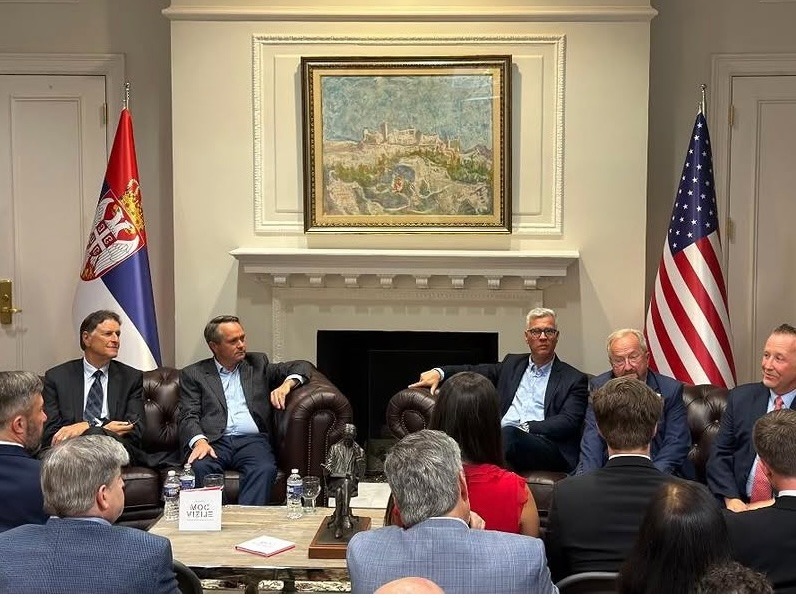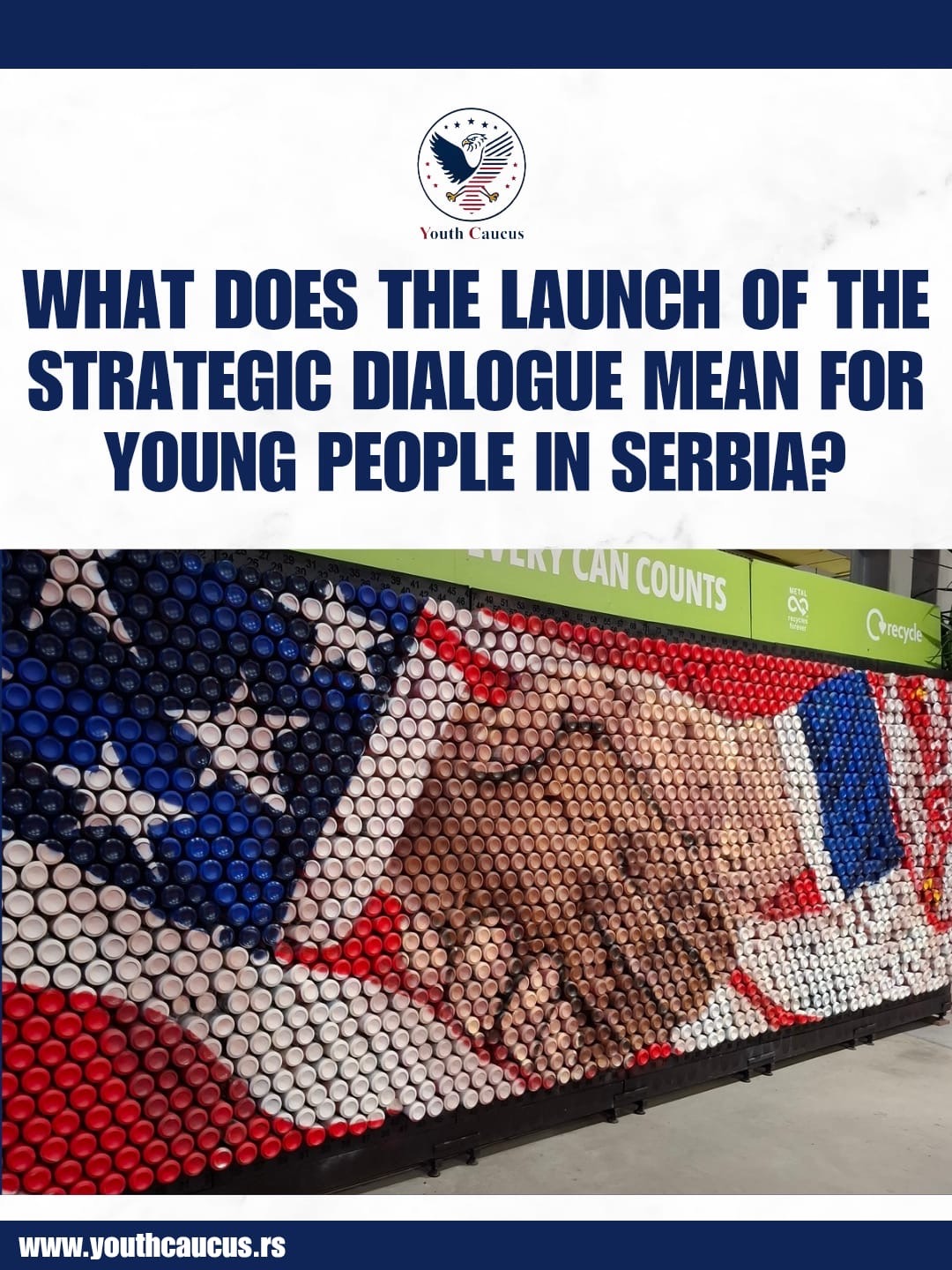
On Friday, July 17, 2026, the Republic of Serbia and the United States of America inaugurated the first round of discussions under the newly established Strategic Dialogue—one of the United States' most significant diplomatic frameworks for advancing strategic partnerships across a broad spectrum of bilateral relations.
The launch of the Strategic Dialogue with the United States represents a historic opportunity to further strengthen bilateral relations and justifiably inspires a high degree of optimism among both Serbian and American senior officials. At its core, the Strategic Dialogue provides a structured mechanism through which cooperation on diplomatic, economic, technological, educational, and other policy areas can be pursued more efficiently. Most importantly, it establishes a framework for the continuous monitoring, evaluation, and advancement of jointly agreed objectives by both governments. The natural convergence of Serbian and American strategic priorities and societal aspirations, combined with nearly three centuries of bilateral relations, provides a solid foundation for the Strategic Dialogue to deliver tangible and progressive results as early as this year.
For young people in Serbia, the effective implementation of the Strategic Dialogue could prove invaluable. During its first year of operation, the Youth Caucus organization has made modest yet meaningful progress in raising awareness that understanding the functioning of the American economy, democratic institutions, and historical development opens new perspectives—not only for young people in Serbia but for youth around the world—helping them shape their ambitions, career paths, and long-term aspirations.
In our assessment, the Strategic Dialogue's most consequential pillars for Serbia's younger generation are the economy, education, technological innovation, and culture. By its very nature, the Strategic Dialogue encompasses nearly every dimension of state-to-state cooperation. As such, collaboration in areas such as regional security, energy, and broader diplomatic affairs creates the conditions necessary for the most effective cooperation in those fields that have the most direct and tangible impact on young people. At the same time, progress in these broader policy areas should not be viewed as an absolute prerequisite for advancing cooperation in the economic, educational, technological, and cultural spheres. This flexibility represents one of the Strategic Dialogue's defining strengths.
The implementation of the Strategic Dialogue in these priority areas means that policies directly affecting the personal development of young people—as well as the prosperity of their communities—will reinforce broader patterns of bilateral cooperation. Progress in one field has the potential to generate momentum across others, extending well beyond the immediate scope of the Dialogue itself.
Expanded American economic engagement in Serbia through increased foreign direct investment would not only create new employment opportunities with greater prospects for professional development and international career mobility, but would also serve as a powerful signal to both American and global investors that Serbia represents an attractive destination for long-term investment.
A stronger American economic presence would also encourage the further development of an entrepreneurial culture among Serbian youth. Entrepreneurship has become increasingly popular among younger generations and represents one of the most effective pathways for Serbia to overcome the so-called middle-income trap. American business culture permeates much of the country's broader institutional and economic framework, and it is no coincidence that the world's largest economy has been built upon entrepreneurial dynamism and innovation.
The prominence of education immediately following economic cooperation reflects the natural interdependence of these two vital sectors. The signing of a Memorandum of Understanding on educational cooperation, including the expansion of the Fulbright Program, would create new opportunities for students, young professionals, and members of the academic community. Such a memorandum would mark an important first step toward strengthening partnerships between Serbian and American universities, facilitating academic exchanges, and modernizing Serbia's primary, secondary, and higher education systems. Ultimately, these efforts would expand both academic and professional opportunities for young people in Serbia while simultaneously deepening educational cooperation with the United States.
Cooperation in developing, implementing, and applying new technologies is closely connected with both economic and educational priorities. It is particularly significant that Serbia would gain greater access to the world's most advanced technological ecosystem, enabling domestic institutions, researchers, and businesses to study, adapt, and implement cutting-edge technologies as the Strategic Dialogue continues to evolve.
The cultural dimension of the Strategic Dialogue constitutes one of its most fundamental pillars. Serbia and the United States possess a natural basis for cultural rapprochement rooted in their historical ties and shared values, particularly throughout the nineteenth and the first half of the twentieth century, while also embracing many of the defining characteristics of twenty-first-century cultural exchange. Strengthening cultural understanding facilitates closer cooperation across every aspect of bilateral relations. For young people especially, it offers a valuable framework for understanding the principles of the liberal international order and the virtually limitless individual and societal opportunities it creates—an order whose principal architect and leading reformer has been the United States.