“We will pay for our delusions with poverty, the poisoning of the spirit, and the status of a distant periphery of Europe.” – Ante Marković, December 1989.
“We find ourselves in a period in which we are building pathways for reforming our society. We are doing so in the transition from a society that has entered a global crisis—one that has affected all countries of the former so-called real socialism. That system has collapsed, and things are returning to the very beginning, from which, according to the estimates of all serious economists today, it will take fifteen, twenty, even forty years to move from the state in which we had been for forty or eighty years, abandoning one system and building a new one.
... In the shortest possible period, which we estimated could be five years.
... What do those who attack the results of the reforms demand? To print money again, to close our borders again, to seek investments once more that would reproduce an inefficient economy and a poor economic structure.” – Ante Marković, October 1990.
“We applauded and supported the market-oriented program of the Federal Government, which secured confidence in Yugoslavia throughout the world. We provided technical assistance in the energy-saving project, expert support for the privatization project and banking system reform, and education for a new generation of Yugoslav managers. For all these reasons, I must express regret that Marković’s program did not receive support from all the republics.” – U.S. Ambassador Warren Zimmermann, March 2, 1991.
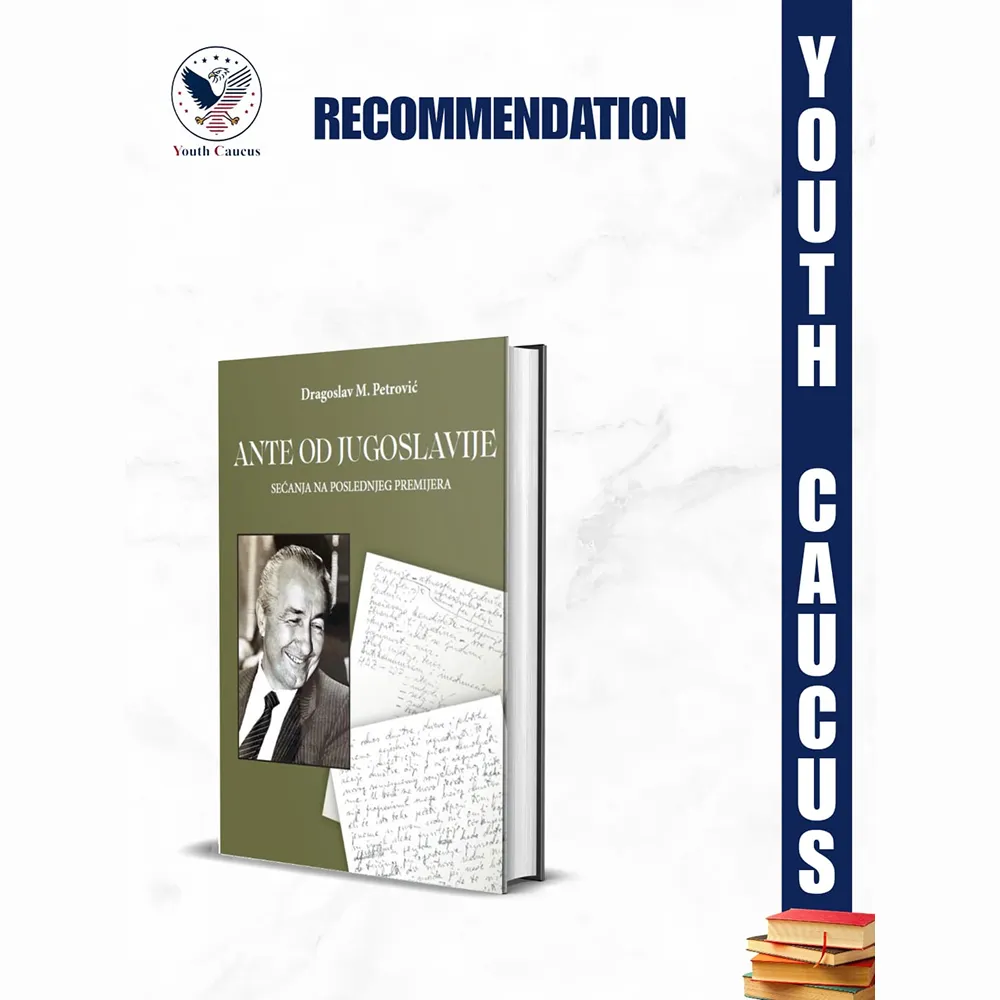
“In the middle of the gravestone lies an open book, made of light stone, with the edges of its pages partly covered by a darker shadow. Above the book stands a well-preserved stone figurine of an angel, asleep on a marble sphere engraved with the words *In Remembrance*,” writes Dragoslav M. Petrović during a visit to Ante Marković’s grave in August 2023.
Reading the life’s work of Dragoslav M. Petrović, a close associate of the last prime minister of the SFRY, Ante Marković, you will experience moments of mixed emotions.
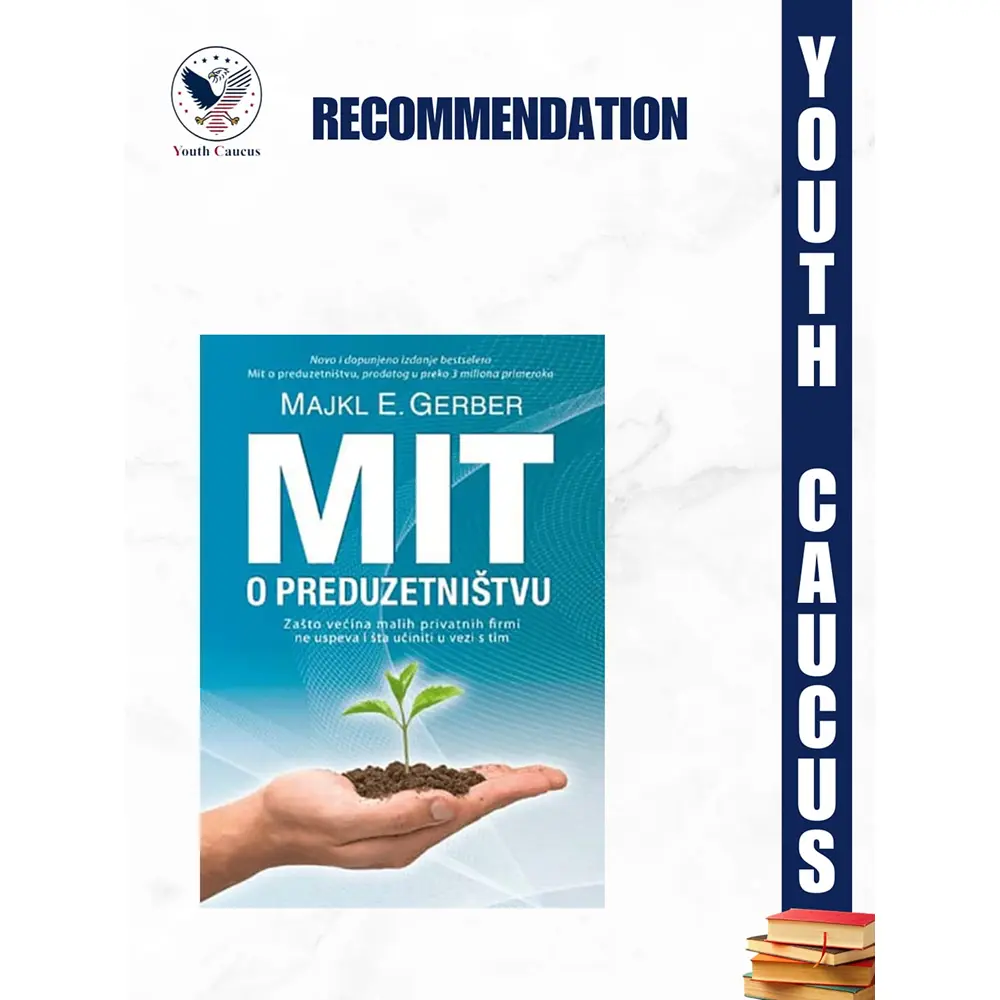
Marković’s plan to liberalize the economy and direct it toward entrepreneurship was producing results and had gained support worldwide. What remains in remembrance is the question of how events might have unfolded in the territory of the former Yugoslavia had the economy and the standard of living of its citizens been the principal and guiding priorities of all actors in that regional period.
Perhaps Yugoslavia would not have survived as a state-forming idea in any case, but the dissolution of the Socialist Federal Republic of Yugoslavia might have been accompanied by peace, without victims. Perhaps this is why the years 1989 and 1990 stand in the shadow of the 1990s—it is too painful to reflect on the possibility that the suffering could have been avoided.
The life’s work of Dragoslav M. Petrović presents an important story of the past and points to what could have been done better earlier—and what we must do better today.