There comes a moment in life when we realize there is no clear instruction manual. There is no rulebook that tells us exactly what is right, no authority that will make the decision instead of us. What remains is judgment, responsibility, and consequence.
Most of us, however, are used to a different system. A system in which there is a procedure, clear steps, a minimum to fulfill. We are taught to work “by the rules.” But the question is rarely asked: does constant reliance on rules make us safer, or does it slowly free us from the need to think?
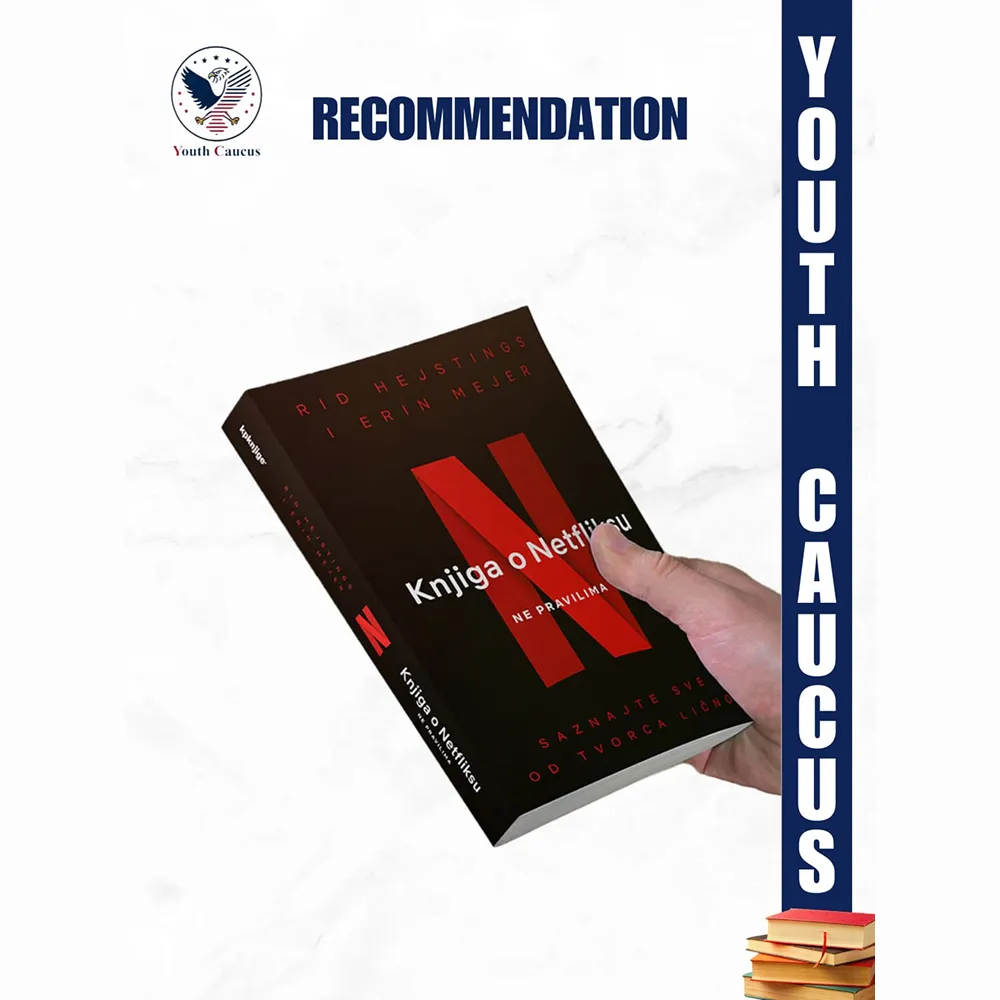
This is where the essence of No Rules Rules begins.
At first glance, it is a story about Netflix. In reality, it is a book about the difference between people who wait for instructions and those who understand direction. About the difference between execution and responsibility.
In a rule-based system, it is enough to follow the steps. If you are technically correct, your part is done. But real professional life rarely works that way. There isn’t always a clear next move. There isn’t a form for every situation. There is no guarantee that a procedure will protect you from a bad decision.
That is precisely why Netflix’s philosophy is not “corporate exotica.” It is an attempt to return responsibility to the individual. To expect people to understand context, assess risk, make decisions, and stand behind them.
The freedom the book describes is not chaos. It is a higher standard. In such a system, you can no longer say, “I was just following the rules.” You must know why you are doing something and whether it is truly the best solution.
Reading this book, we begin to notice how often in our daily work we seek safety in rules, how often the minimum becomes the goal, how often the system allows mediocrity simply because “the procedure was followed.”
No Rules Rules is therefore not just a book about organizational structure. It is a book about the mental shift from obedience to responsibility, from following instructions to understanding context, from bureaucratic thinking to independent judgment.
Written clearly and concretely, without unnecessary theory, the book does not offer easy recipes. It offers something more important: it shifts the boundary of what we consider a normal way of working.
If you want to understand why the future of professional life is less tied to rulebooks and more to personal judgment and responsibility, this book may be a valuable read.