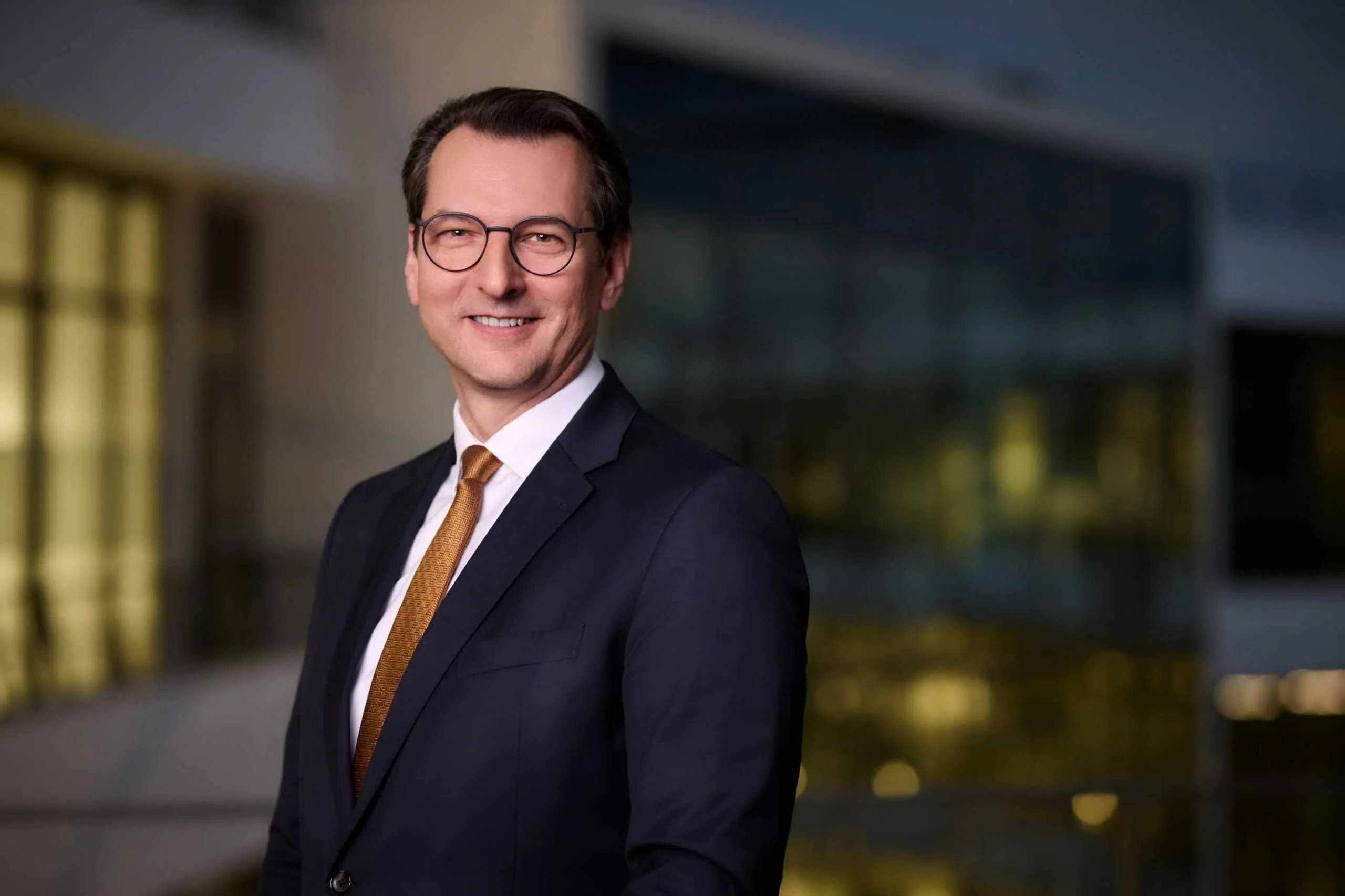
In recent days, the name Milan Nedeljković has filled pages in domestic media. A Serb, originally from Kruševac, he will assume the position of Chairman of the Board of Management of BMW AG on May 14, 2026, as decided by the company’s Supervisory Board.
Unlike other texts, this one will not focus on Mr. Nedeljković’s impressive achievements within BMW AG, nor on the highly delicate moment and challenges he will face in that role.
This text aims to highlight and remind the public and decision-makers that young people are the greatest wealth a country can have. The value of that wealth is measurable through education and the opportunities provided to young people, and I am not exaggerating when I say that the benefits of such investment shape the future of society as a whole.
Mr. Nedeljković moved to Germany at a very young age. He studied mechanical engineering at RWTH Aachen University and continued his training at the prestigious Massachusetts Institute of Technology, better known as MIT.
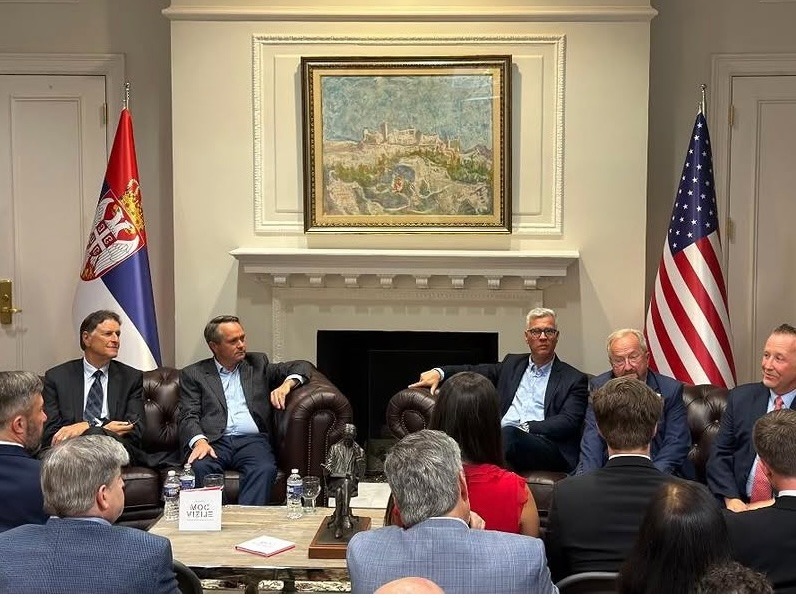
If the thesis that young people are a country’s greatest wealth—and that the size of that wealth is measurable through education and opportunities offered—is viewed as a factual circumstance, then the fact that the value of this wealth was recognized at MIT itself through the group MIT Organization of Serbian Students, with the symbolic acronym MOST (“bridge”), serves as a reminder that channels and pathways certainly exist that recognize the talent of our young people and provide them with opportunities for career development. Like MIT, many other universities in the United States are among the most desirable and comprehensive destinations for those seeking further academic and professional advancement.
At this moment, the financial circumstances that often form the boundary between the desire for further academic and career development abroad and the realistic possibilities of supporting that desire must be acknowledged. The situation in Serbia is such that many families cannot afford to support their children’s education even in a larger domestic university city, and those who do take that step often face daily difficulties.
Kruševac, the hometown of Mr. Nedeljković, has lost around 10% of its population over the past 10 years, while the average age of its residents is 44.62 years. The decreasing number of young people at the local level is not only a discouraging statistic for Kruševac, but for the entire country whose municipalities follow the same trend. Solving this problem is fundamentally systemic in nature, something I have had the opportunity to write about earlier on the Youth Caucus organization’s blog.
This is why it is necessary to invest efficiently and continuously in the quality of the country’s educational structure, in parallel with the efficiency of post-graduation employment, which should also fall under that same educational structure—so as to create a stable, secure, and promising environment in which young people can realize their full potential.
Channels like the MOST group in the United States, as well as many others that I encourage you to explore, indicate that there is ample room for deeper institutionalization of education, for providing opportunities for young people, and for exchanging experiences with their peers and compatriots abroad.
The Centers for American Studies at the Faculty of Political Sciences and the Faculty of Philosophy of the University of Belgrade, as well as the American Resource Center (ARC), are positive examples of initiatives supporting this integration from Serbia’s side.
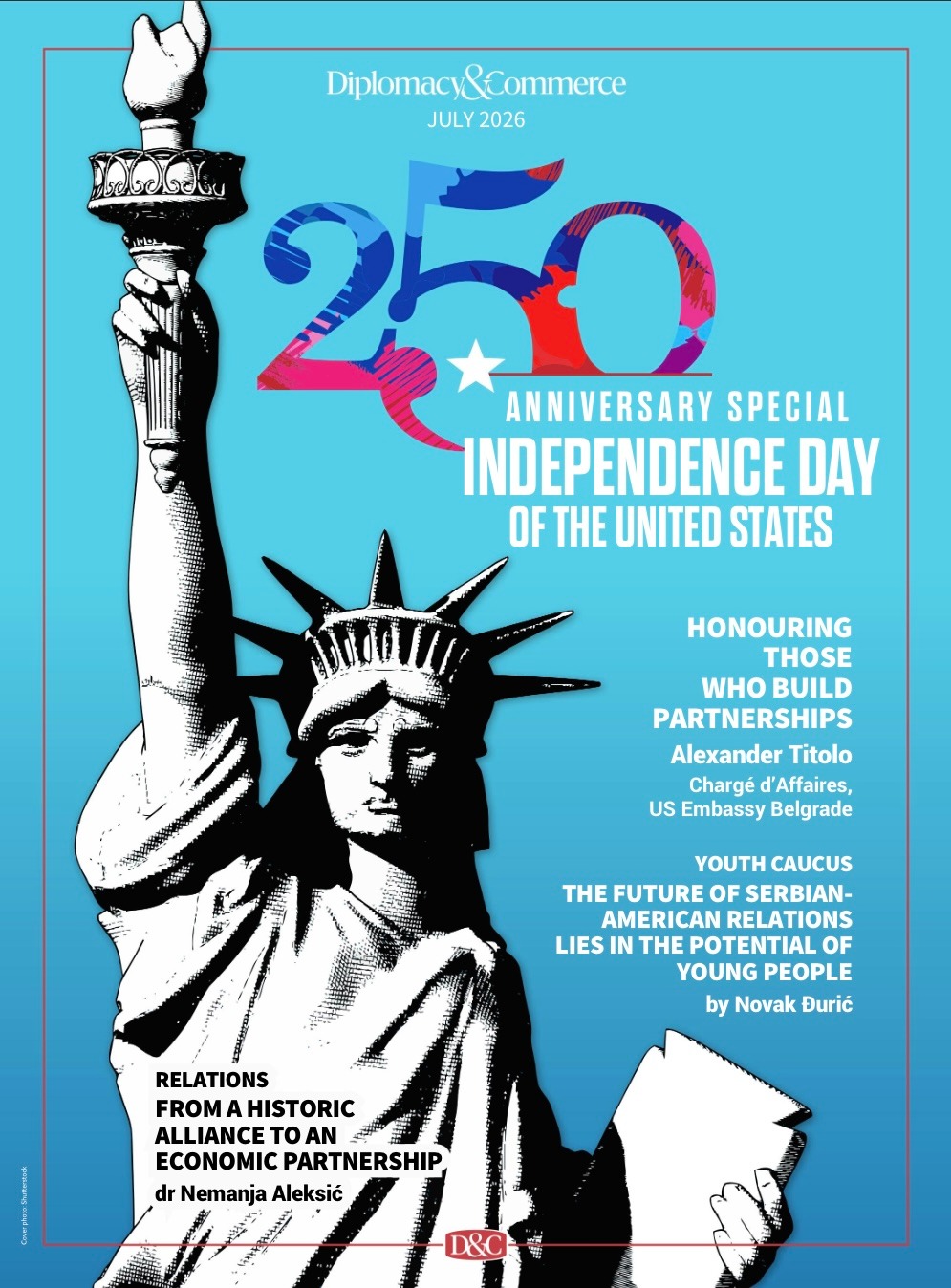
The Youth Caucus organization itself has positioned itself as one such channel that will actively support the initiation of this integration with clearly defined goals in the interest of young people in Serbia, work toward their achievement, and actively promote them throughout the country.
With such an approach, we can anticipate a future in which more and more of our young people hold leading positions around the world—which would be of great significance for Serbia, as a relatively small country, in terms of its better geostrategic positioning. An additional advantage of such an approach is the direct investment in and promotion of an adequate education system—described in detail above—within the country itself, bringing Serbia closer to a higher and more stable standard of living.
The United States serves as an excellent model for observing, implementing, and building such a domestic educational system, while an institutionalized channel for exchanging experiences, knowledge, and connections between young people from Serbia and the United States represents a generational benefit for both sides.